How classes work
Small groups. Short demonstrations. Real practice. Every session is built so students learn by doing — safely and at their own pace.
Small-group structure
Classes are intentionally small so each student gets individual attention. With two-hour weekly sessions, there's time for demonstration, practice, and real project work without rushing.
Parents may drop students off, remain on site, or participate in designated instructor-led activities. A parent who remains on site is not counted as instructional staff.
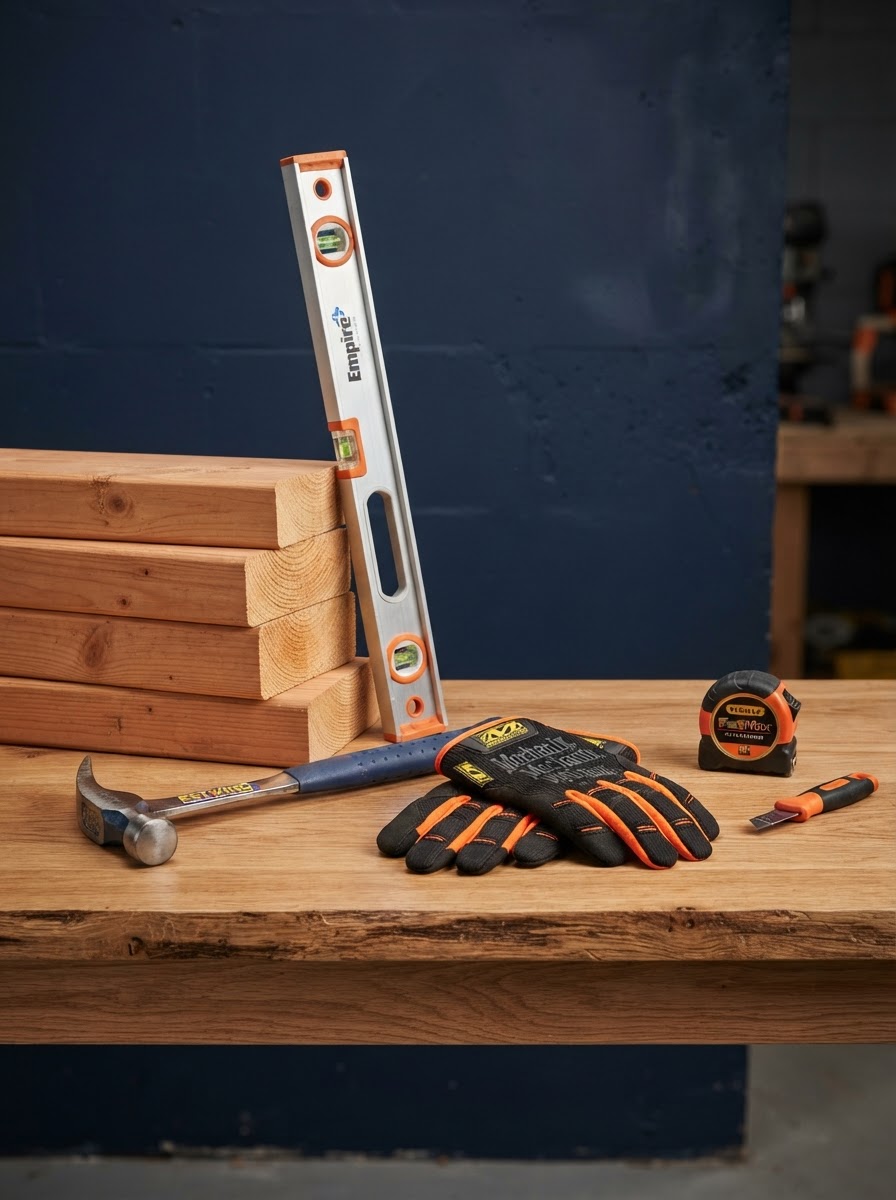
What a session looks like
A predictable rhythm that keeps students engaged and safe from the first minute to the last.
- 1
Instructor demonstration
Each session opens with a short, clear demonstration from Gio — the concept, the safety steps, and how the work is done.
- 2
Individual tool checkout
Students check out age-appropriate hand tools individually, with instruction. Tool use is based on demonstrated safe behavior.
- 3
Guided practice
Students practice the skill on their own materials with close supervision, getting help where they need it.
- 4
Project work
Practice turns into real project work — measuring, layout, assembly, and finishing — applied to a supervised build.
- 5
Progress & presentation
We track each student's progress and cap the course with a final supervised project and skill presentation.
More than a project — a way of thinking
The hands-on skills are obvious. The habits underneath them are what really stick.
Thinking in three dimensions
Plans, measurements, and layouts train spatial reasoning — a skill that helps in every STEM field.
Patience & follow-through
A build doesn't finish itself. Students learn to plan, execute, and finish what they start.
Pride in real work
There's nothing like holding something you made. That pride is the engine of motivation.
Want class details?
Join the interest list to receive the schedule as it's finalized.
Join the interest list